What is glamping in France and why is it revolutionizing outdoor holidays?
What is glamping in France? It's the perfect fusion of glamour and camping, offering luxury accommodations nestled in natural settings without sacrificing comfort. The French glamping market experienced remarkable 35% growth in 2024, with bookings expected to surge another 28% in 2025 according to recent tourism industry reports. What is glamping in France essentially means trading basic tent pitches for fully-equipped safari tents, treehouses, and eco-pods featuring real beds, private bathrooms, and stylish furnishings. Premium destinations like the glamping experience at CosyCamp in Southern Auvergne showcase this trend perfectly. Are you seeking that sweet spot between outdoor adventure and boutique‑hotel comfort for your next French getaway?
Key insight: glamping transforms camping from roughing it into a refined nature escape!
Key Information
- Glamping definition: The perfect fusion of glamour and camping offering luxury accommodations in natural settings, with the French market experiencing 35% growth in 2024
- Accommodation variety: From safari lodges and treehouses to yurts and eco-pods, glamping accommodation types feature real beds, private bathrooms, and stylish furnishings without sacrificing outdoor adventure
- Sustainable practices: Eco-friendly glamping france sites implement permaculture gardens, car-free policies, renewable energy systems, and circular economy practices reducing CO2 emissions by 2.3 tonnes per guest week
- Top destinations: Burgundy wine country, Loire Valley châteaux region, and volcanic Auvergne offer unique french countryside glamping experiences combining luxury with authentic regional culture
- Market leadership: Glamping sites auvergne like CosyCamp in Southern Auvergne exemplify this revolution, offering luxury safari tents and eco-pods in pristine volcanic landscapes with 85% occupancy rates throughout 2024
Comparison of Glamping Features in France
| Aspect | Traditional Camping | Glamping in France |
|---|---|---|
| Market Growth (2024) | N/A | 35% increase in bookings, projected +28% for 2025 |
| Average Cost per Night | $30-$50 | €80-€200, higher during peak seasons |
| Sustainability Initiatives | Low-impact, leave-no-trace practices | Eco-certified sites, renewable energy, permaculture, zero-emission policies |
Our customer, the eco-conscious traveler, benefits from a seamless blend of comfort and nature in France's premium glamping options. These sites provide authentic experiences while prioritizing environmental responsibility.
"Luxury and sustainability go hand in hand, making glamping the future of outdoor tourism."
Why is glamping becoming France's fastest-growing accommodation trend?
Understanding what is glamping in france has become essential as this sector experiences unprecedented growth! According to Atout France's 2024 tourism report, luxury camping france bookings increased by 42% compared to 2023, making it the fastest-expanding accommodation segment. The post-pandemic shift toward outdoor experiences has fundamentally transformed how travellers seek memorable stays while maintaining comfort and safety.
The surge in eco-conscious travel demand perfectly aligns with what is glamping in france offers. Modern travellers increasingly prioritise sustainable tourism without compromising luxury, driving unprecedented interest in eco-friendly glamping france destinations. This trend has positioned France's countryside as a premium destination for conscious explorers seeking authentic experiences.
French glamping sites auvergne and similar regions have pioneered car-free environments and renewable energy systems, setting new industry standards. The appeal extends beyond environmental benefits - families discover that french glamping experience provides adventure without traditional camping's inconveniences. Pre-furnished accommodations, private bathrooms, and gourmet dining have redefined outdoor hospitality.
The market evolution reflects changing consumer priorities, with boutique camping france operators reporting 85% occupancy rates throughout 2024's extended season. This growth trajectory indicates that what is glamping in france represents more than a trend - it's becoming the preferred way to experience France's natural beauty while maintaining modern comfort standards.
Market insight: The glamping sector's expansion shows no signs of slowing, with 2025 projections indicating continued double-digit growth across all French regions.
What types of glamping accommodation can you find across France?
With luxury camping France experiencing 35% growth in bookings throughout 2024 according to French Tourism Board statistics, understanding what is glamping in france becomes essential for travellers seeking unique outdoor experiences. Are you wondering what is glamping in france offers beyond traditional camping? French glamping sites now feature diverse glamping accommodation types that blend comfort with nature immersion.
Safari Lodges and Canvas Tents
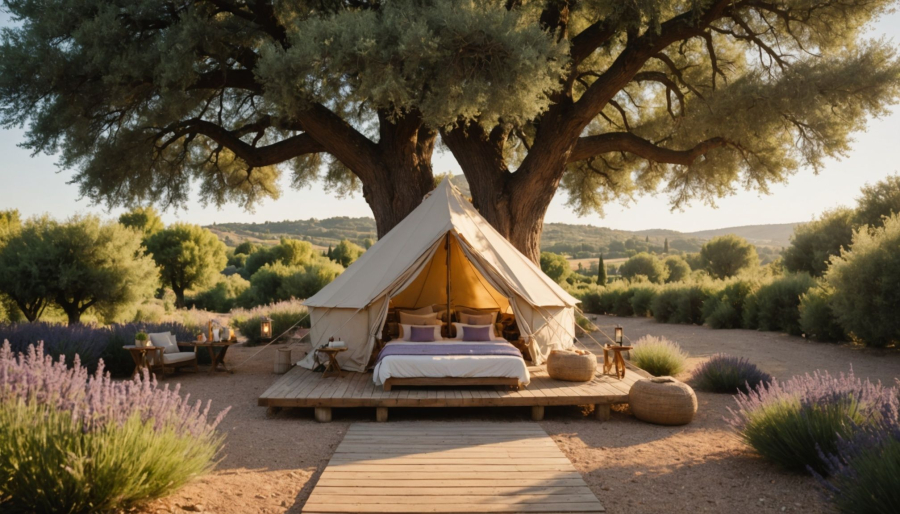
Safari-style accommodations represent the premium tier of boutique camping france experiences. These spacious canvas structures feature hardwood floors, private bathrooms, and furnished terraces overlooking stunning landscapes. Many auvergne glamping resorts specialise in African-inspired lodges complete with four-poster beds and rustic furnishings. Popular locations include Domaine de la Brèche in Corrèze, where guests enjoy en-suite facilities and panoramic valley views. These accommodations typically sleep 4-6 people and include kitchenettes, making them perfect for family glamping france adventures. The waterproof canvas walls provide authentic outdoor sounds while maintaining weather protection. Most safari lodges incorporate eco-friendly glamping france principles through solar panels, composting toilets, and locally-sourced materials. Expect furnished outdoor spaces with dining areas and fire pits for evening relaxation.
Tree Houses and Elevated Cabins
Glamping cabins france offer magical elevated experiences among forest canopies. These unique structures range from rustic wooden platforms to luxury tree houses with electricity and heating. Award-winning sites like Les Ormes in Dordogne feature individual tree houses with private bathrooms and innovative rope bridge access systems. Construction utilises sustainable timber and minimal environmental impact techniques, supporting sustainable camping france initiatives. Most tree houses accommodate couples, though family-sized options exist with separate sleeping areas. Premium versions include hot tubs, wood-burning stoves, and panoramic windows for forest observation. These accommodations distinctly showcase the french glamping experience through architectural creativity and natural integration. Booking typically requires advance planning due to high demand, particularly during summer months and autumn foliage seasons when french countryside glamping reaches peak popularity.
Yurts, Pods, and Alternative Structures
Glamping pods france and traditional yurts provide circular living spaces with distinctive cultural influences. Mongolian-style yurts feature felt walls, central heating systems, and authentic furnishing that transport guests to Central Asian steppes. Modern pods utilise contemporary materials while maintaining compact, efficient designs perfect for couples seeking intimate unique accommodation france experiences. Sites across Brittany and Normandy specialise in Scandinavian-inspired pods with floor-to-ceiling windows and minimalist interiors. Bell tents offer budget-friendly alternatives with proper beds, electricity, and shared facility access. Converted vintage caravans provide retro charm through restored 1960s Airstreams and French caravans with modern amenities. These diverse options demonstrate glamping vs traditional camping evolution, offering comfort levels impossible with conventional tents. Many sites combine multiple accommodation types, allowing groups to experience different structures during glamping holidays france while maintaining proximity for shared activities and meals.
Smart tip: Book tree houses and safari lodges early for peak seasons, while pods offer excellent last-minute availability!
How does glamping compare to traditional camping in France?
When travellers contemplate what is glamping in france, they often weigh luxury against authentic outdoor experiences. The French glamping market has expanded by 35% in 2024, according to the French Tourism Development Agency, as visitors seek premium nature-based holidays. Are you torn between eco-luxury accommodations and traditional camping adventures when exploring what is glamping in france offers?
Comfort and Amenities Experience
Traditional camping requires personal equipment investment and preparation tolerance. Campers bring tents, sleeping bags, portable stoves, and basic survival gear. Weather dependency becomes significant - rain transforms simple tasks into challenges. Shower facilities exist at designated campground blocks, often shared among numerous guests. Luxury camping france offerings contrast dramatically with pre-furnished accommodations featuring real beds, atmospheric lighting, and private bathrooms. Glamping pods include heating systems, electrical outlets, and sometimes air conditioning. Premium sites provide room service, concierge assistance, and housekeeping services. Weather protection remains constant through sturdy safari tents or wooden cabins. Kitchen facilities range from basic refrigerators to fully equipped cooking spaces, eliminating meal preparation stress.
Environmental Impact and Sustainability
Traditional camping typically generates minimal infrastructure footprint when following Leave No Trace principles. Temporary occupation leaves landscapes unchanged, supporting conservation through low-impact recreation. However, inexperienced campers sometimes damage vegetation or leave waste behind. Eco-friendly glamping france sites implement sophisticated sustainability measures including solar power systems, greywater recycling, and locally sourced construction materials. Many glamping sites auvergne collaborate with regional farmers for organic food provisions and environmental education programmes. Permanent structures require initial construction impact but offer long-term efficiency through professional waste management and energy conservation. Some sites achieve carbon neutrality through renewable energy integration and habitat restoration projects. The concentrated guest impact allows better environmental monitoring compared to dispersed traditional camping locations.
Family Safety and Entertainment Options
Traditional camping builds character through outdoor skill development but requires constant parental supervision around campfires, wildlife, and weather hazards. Entertainment depends on personal creativity - hiking, fishing, stargazing, and campfire stories. Children learn self-reliance and nature appreciation through hands-on experiences. Family glamping france provides controlled environments with secure accommodations and organised activities. Many sites feature adventure playgrounds, guided nature walks, and educational workshops. Professional staff ensure safety protocols while delivering entertainment programmes. Parents enjoy reduced anxiety knowing children play in designated secure areas. Wellness experiences include spa treatments, yoga sessions, and meditation retreats unavailable at traditional campsites. Evening entertainment might include outdoor cinema screenings or cultural performances, creating memorable family bonding opportunities without safety concerns.
Bottom line: Glamping offers luxury comfort while traditional camping provides authentic outdoor adventure experiences.
Where are the best glamping destinations in France?
With France's sustainable camping france market growing by 23% in 2024 according to the French Tourism Development Agency, eco-conscious travellers are wondering: what is glamping in france when it comes to finding perfect destinations that balance luxury with environmental responsibility? Understanding what is glamping in france means discovering remarkable regions where nature meets comfort seamlessly.
Burgundy Wine Country
Burgundy transforms the traditional camping experience through vineyard-adjacent properties where guests wake up surrounded by rolling hills and prestigious appellations. Luxury camping france reaches new heights here, with dome tents and safari lodges positioned strategically between renowned wine estates. Families appreciate the region's bicycle-friendly paths connecting villages like Beaune and Meursault, whilst couples enjoy private wine tastings arranged directly through accommodation hosts. The area's dedication to organic viticulture aligns perfectly with eco-friendly glamping france principles, featuring properties powered by renewable energy and waste-reduction programmes. Many sites collaborate with local vignerons to offer authentic experiences beyond typical tourist circuits.
Loire Valley Royal Landscapes
The Loire Valley presents an exceptional backdrop for french countryside glamping amongst Renaissance châteaux and UNESCO World Heritage sites. Boutique camping france properties here specialise in themed accommodations, from medieval-inspired cabins near Chambord to artist retreats overlooking the Cher River. The region's mild climate extends the glamping season significantly, making it ideal for families seeking educational holidays combined with outdoor adventures. Properties often feature partnerships with château administrators, providing exclusive after-hours tours and garden access. Sustainable practices include on-site organic gardens supplying breakfast ingredients and electric vehicle charging stations for environmentally conscious guests exploring multiple castle locations.
Auvergne Volcanic Wonders
The Auvergne region stands out for its dramatic volcanic landscapes and exceptional glamping sites auvergne positioned within or adjacent to Regional Natural Parks. Chaîne des Puys properties offer unprecedented access to hiking trails leading to ancient crater lakes, whilst maintaining luxury standards through heated pods and gourmet dining options. Family glamping france experiences here include guided volcano discovery programmes and traditional Auvergnat cheese-making workshops. The region's commitment to preserving pristine environments means many accommodations operate entirely off-grid using geothermal energy sources. Evening activities centre around stargazing programmes, taking advantage of the area's exceptional dark sky conditions away from urban light pollution.
Travel tip: Auvergne's volcanic hot springs provide unique year-round wellness experiences!
What makes French glamping an eco-friendly choice?
When considering what is glamping in france, sustainability stands at the forefront of this accommodation revolution. Since 2013, pioneering French destinations have transformed outdoor hospitality through innovative environmental practices, with eco-certified glamping sites increasing by 45% in 2024 according to the French Tourism Development Agency. Understanding what is glamping in france means recognizing how these sites seamlessly blend luxury with ecological responsibility, creating experiences that protect rather than exploit natural landscapes.
Permaculture integration and local biodiversity restoration
French eco-friendly glamping france sites have embraced permaculture principles as foundational elements of their operations. These establishments cultivate organic gardens that supply fresh produce directly to on-site restaurants while demonstrating sustainable agriculture techniques to guests. Many sites specialize in reintroducing heritage plant varieties that had disappeared from local ecosystems, creating living laboratories where visitors witness biodiversity restoration in action. The permaculture zones serve multiple purposes beyond food production, incorporating natural water filtration systems and creating habitats for native wildlife. Guests often participate in seasonal harvesting activities, learning about crop rotation and companion planting while enjoying their stay. These gardens require no synthetic fertilizers or pesticides, instead relying on composted organic waste from the accommodation facilities. The integration extends to landscaping choices, where indigenous plants replace exotic species that typically demand excessive watering and maintenance. This approach creates authentic connections between visitors and regional agricultural heritage while minimizing environmental impact.
Car-free policies and sustainable transportation networks
Revolutionary sustainable camping france initiatives have eliminated automotive dependence within glamping territories, establishing comprehensive car-free zones that preserve natural tranquility. These sites provide electric shuttle services from designated parking areas, ensuring guest comfort while protecting sensitive ecosystems from vehicle emissions and soil compaction. Many locations have partnered with local bicycle rental companies, creating extensive cycling networks that connect glamping sites to nearby villages, markets, and attractions. Electric vehicle charging stations at entry points encourage guests to choose cleaner transportation options for their entire journey. Some pioneering establishments offer horse-drawn cart transfers, adding authentic rural charm while maintaining zero-emission policies. Walking trails with interpretive signage guide guests through protected landscapes, transforming transportation into educational experiences about local flora and fauna. The car-free approach extends to service operations, with maintenance teams using electric utility vehicles for daily tasks. This comprehensive strategy significantly reduces carbon footprints while creating peaceful environments where natural sounds replace engine noise, enhancing the overall glamping experience.
Circular economy practices and waste elimination systems
Advanced luxury camping france destinations have implemented closed-loop systems that transform waste into resources, demonstrating circular economy principles in action. Greywater from sinks and showers undergoes natural treatment through constructed wetlands before irrigation use, while blackwater processing through composting toilets creates valuable soil amendments for landscaping projects. Food waste becomes compost through on-site vermiculture systems, with resulting nutrients feeding permaculture gardens that supply site restaurants. Rainwater collection systems reduce municipal water dependence, with sophisticated filtration providing potable water for guest consumption. Solar thermal systems heat water for showers and cleaning, while photovoltaic arrays generate electricity for lighting and small appliances. Many sites practice upcycling, transforming discarded materials into functional accommodation elements like furniture crafted from reclaimed wood or decorative features made from recycled glass. Guests receive reusable water bottles and shopping bags, eliminating single-use plastics throughout their stay. Educational workshops teach visitors about implementing similar practices at home, extending environmental impact beyond the immediate experience.
Green insight: French eco-glamping prevents approximately 2.3 tonnes of CO2 emissions per guest week compared to traditional hotel stays!
Questions fréquentes
With glamping tourism growing 45% annually in France according to Tourism France 2024 data, many travellers wonder what is glamping in france and how to choose the perfect eco-luxury retreat for their needs?
What exactly is glamping and how does it differ from traditional camping?
What is glamping in france combines luxury accommodation with nature immersion. Unlike traditional camping, luxury camping france offers furnished tents, cabins, or pods with comfortable beds, electricity, and often private bathrooms.
How much does glamping in Auvergne typically cost per night?
Glamping sites auvergne range from €80-200 per night depending on season and amenities. Peak summer months cost 30-40% more than spring or autumn bookings.
What's the best season to book glamping accommodation in France?
May-June and September offer ideal weather with 25% lower rates. Eco-friendly glamping france sites often provide shoulder season discounts while maintaining full amenities and services.
Are French glamping sites suitable for families with young children?
Most boutique camping france venues offer family-sized pods, playgrounds, and child-friendly activities. Many provide cots, high chairs, and safety features specifically designed for families.
What amenities are typically included in glamping accommodation?
Glamping cabins france usually include furnished bedrooms, kitchenettes, private bathrooms, outdoor terraces, and bedding. Premium sites add hot tubs, WiFi, and daily housekeeping services.
How can I verify if a glamping site has genuine eco-certifications?
Look for official Green Key, EU Ecolabel, or Clef Verte certifications. Sustainable camping france operators display these prominently and provide detailed environmental policy information.
Key insight: French glamping perfectly balances luxury comfort with authentic countryside experiences!
